Holladay
- Population: 31,390
- Designation Year: Fall 2023, Fall 2026
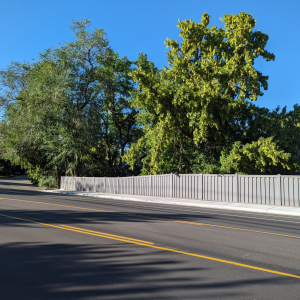
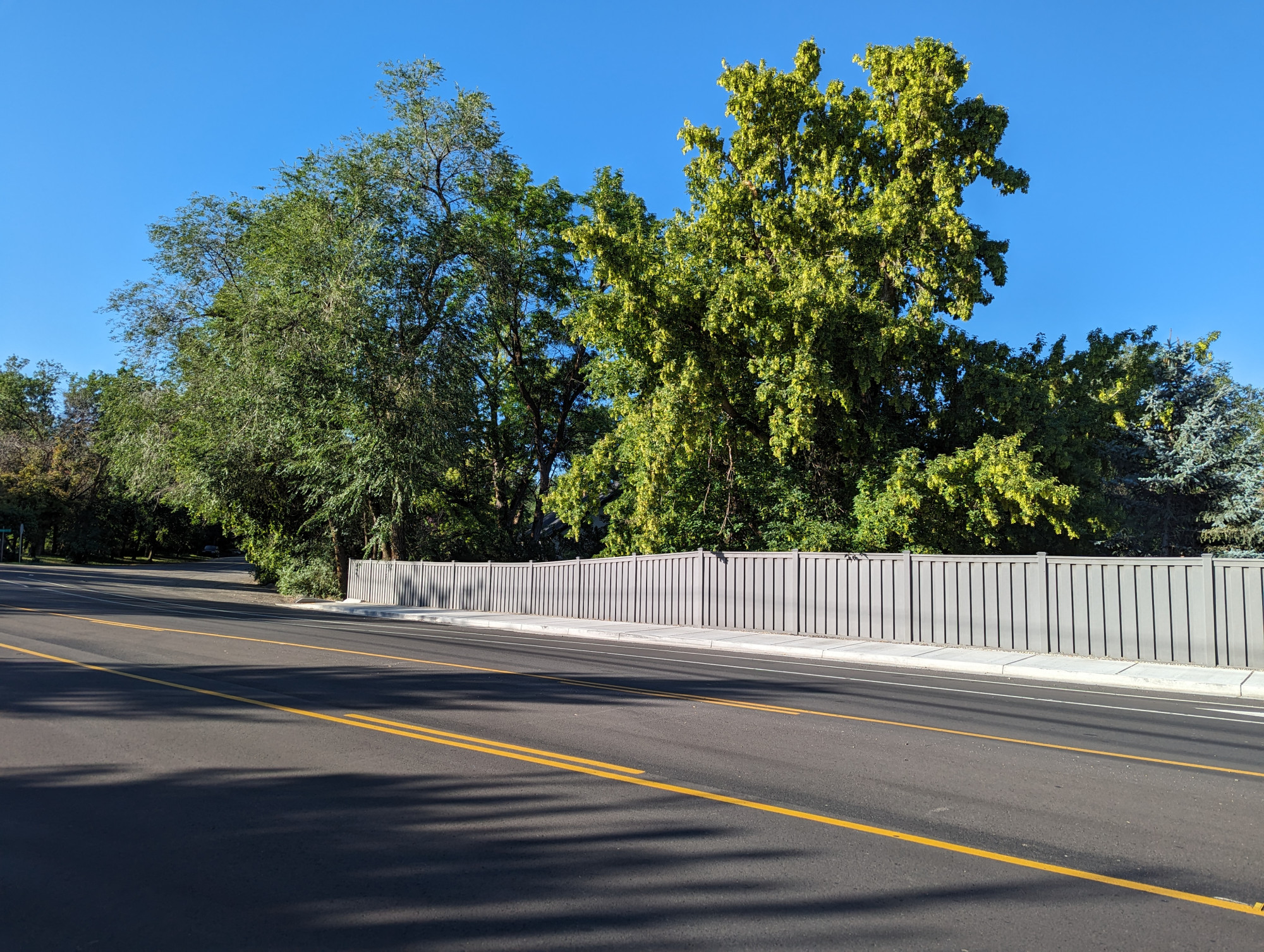
Holladay is proud to be a healthy community! To promote physical activity among youth, the city secured grant funding to create Safe Routes to School for children who walk or ride bicycles. The city also improved the Big Cottonwood Trail by adding a bike repair station, water station, and restrooms.
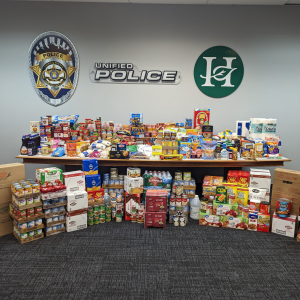
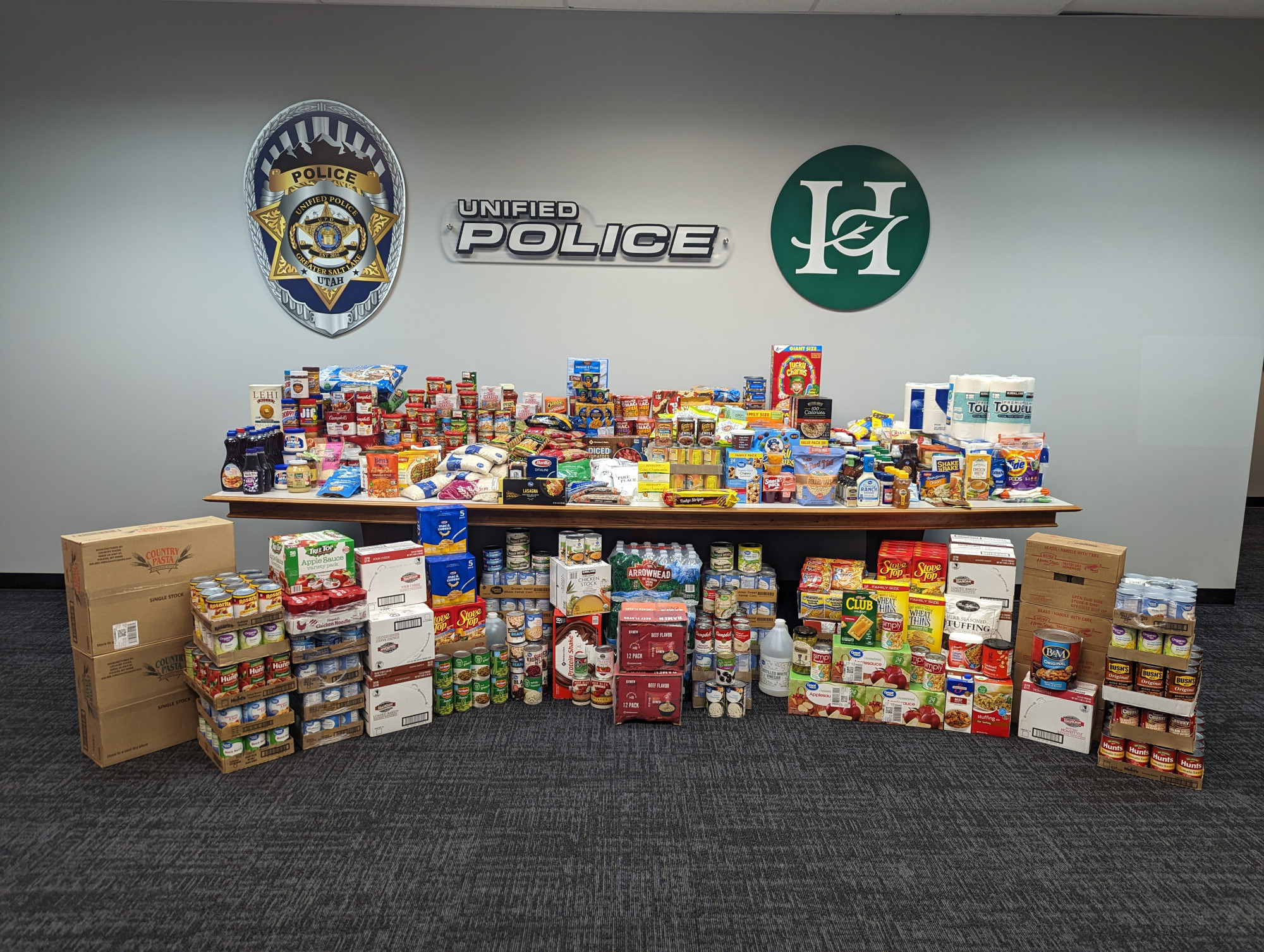
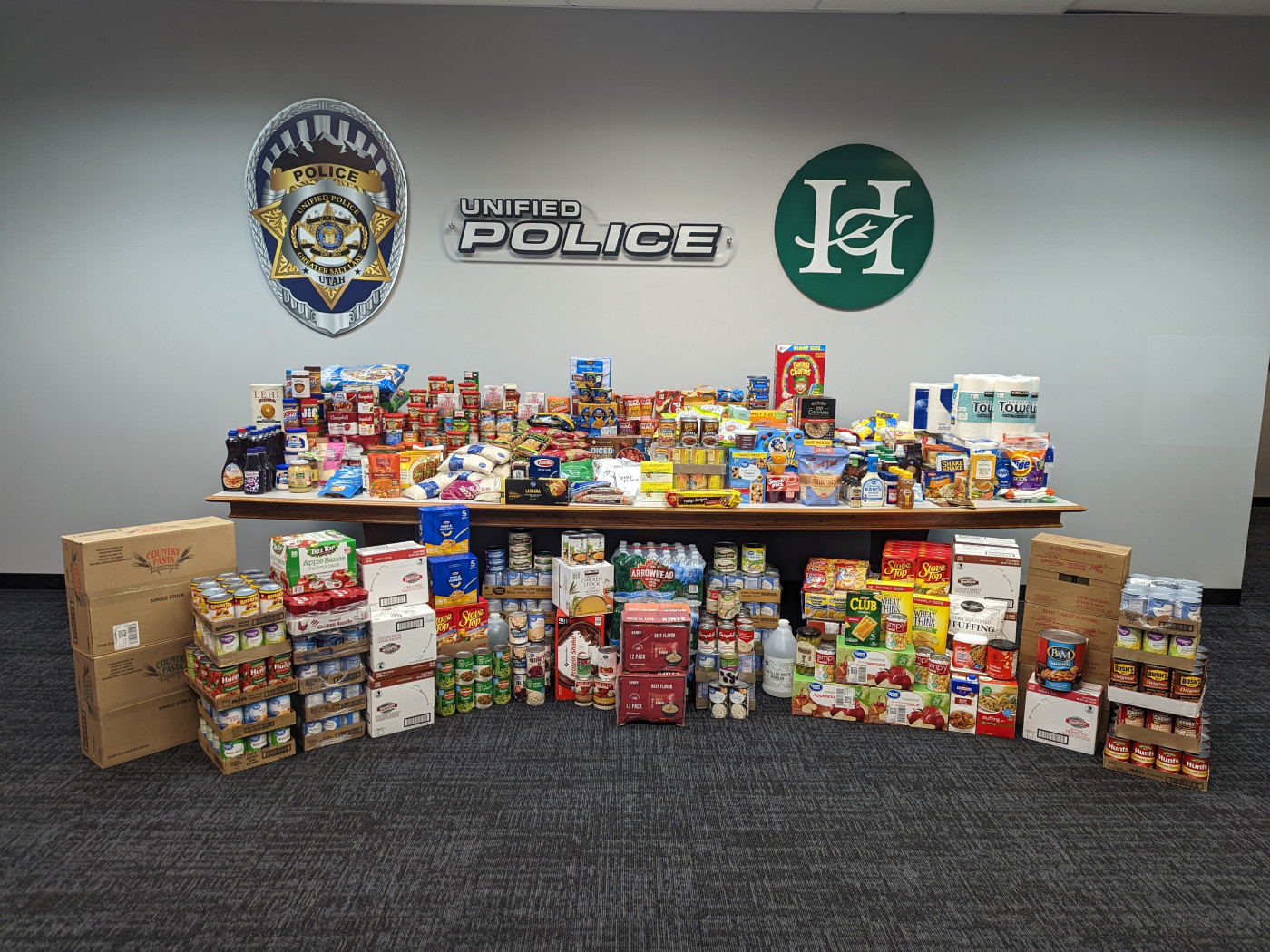
To ensure residents have access to healthy food, the community passed an ordinance that allows backyard animal husbandry, and the city actively supports the Olympus High School and Cottonwood High School food pantries through monetary donations and community-wide food drives.
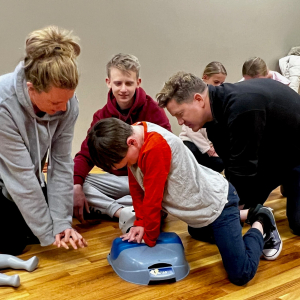
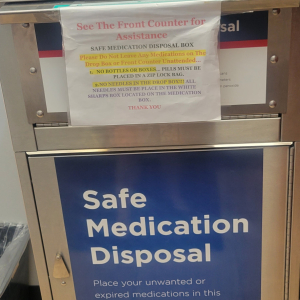
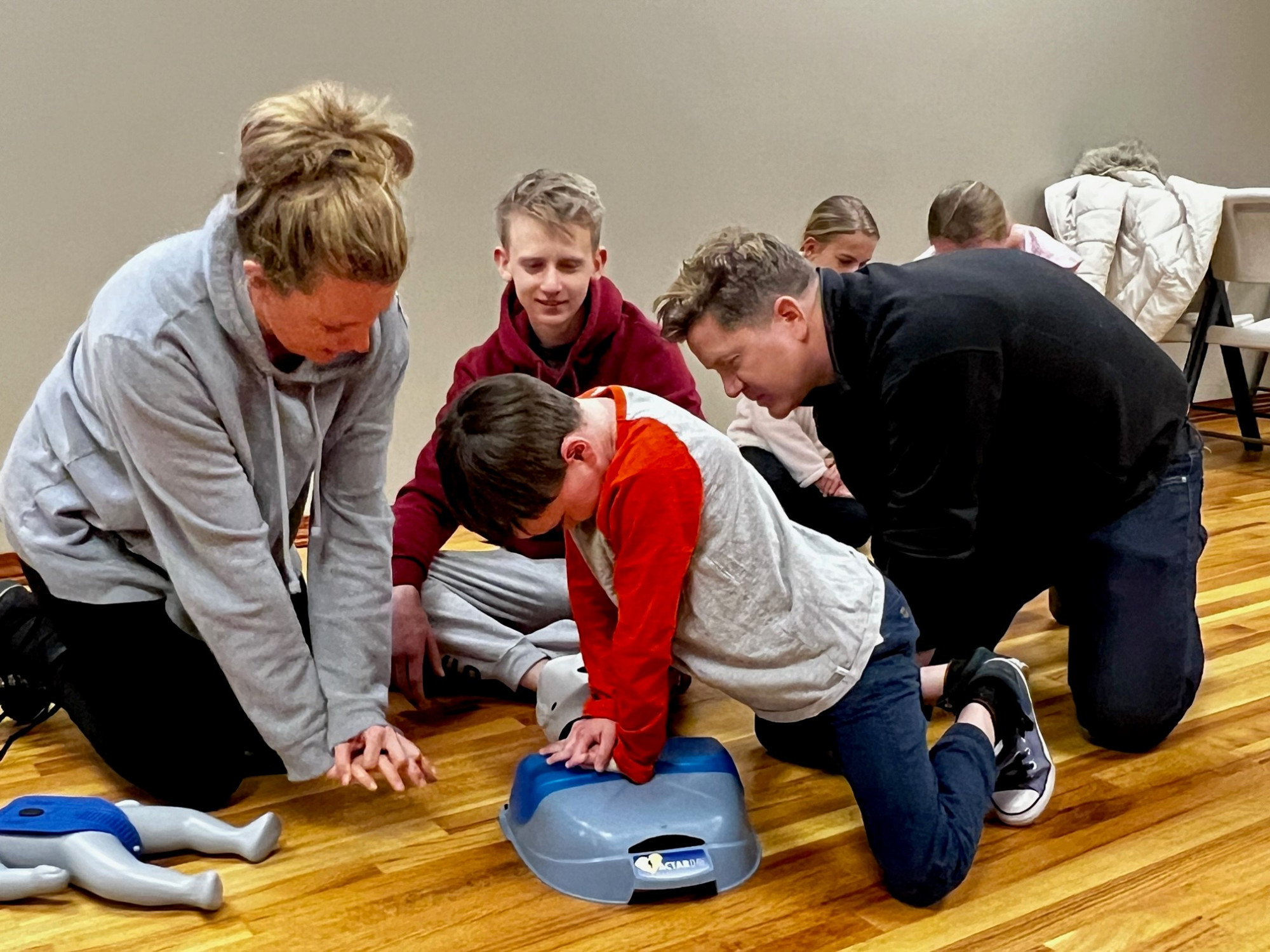
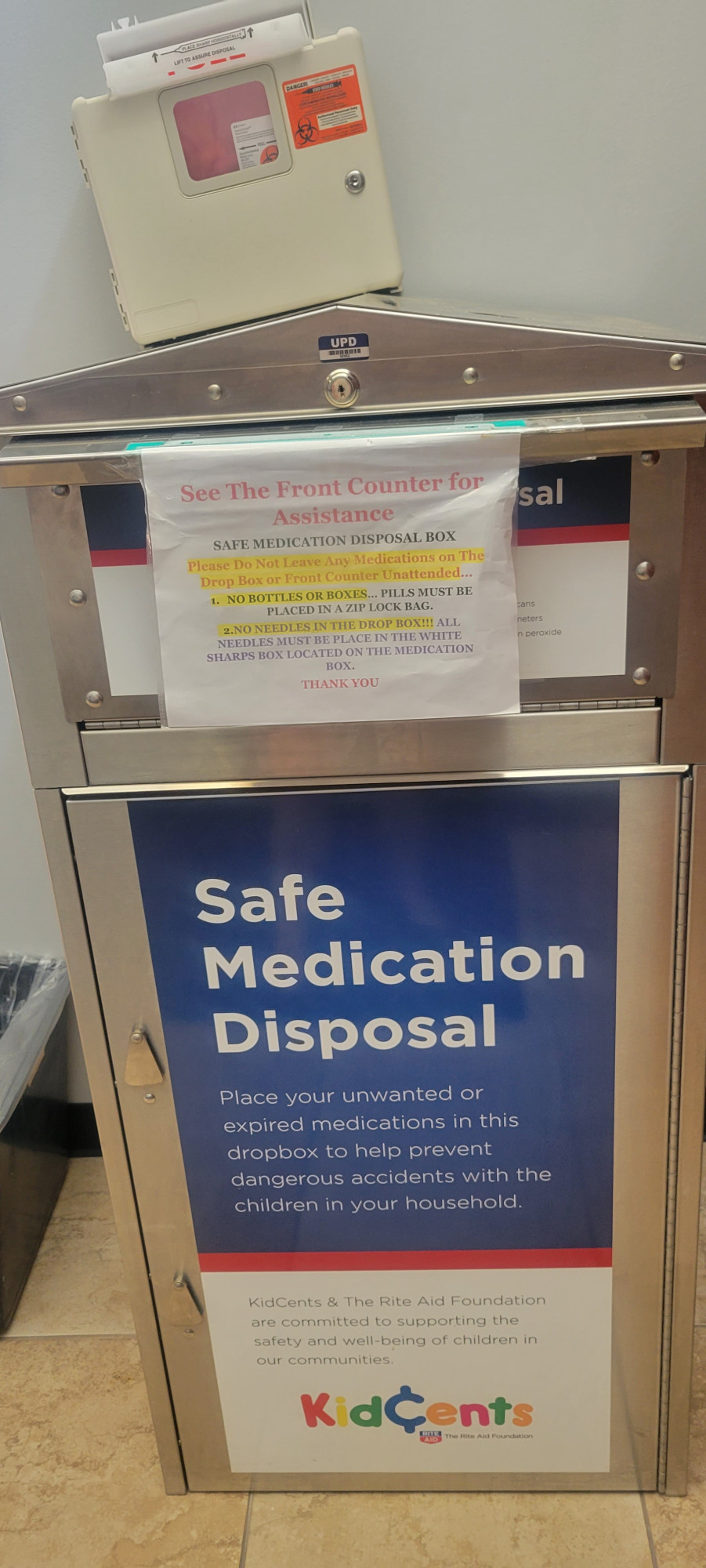
Mental health is also a big priority for Holladay. Free QPR suicide prevention classes are offered at the local library and a medication disposal box is available for residents to use at the Unified Police Department building.
Moving forward, Holladay plans to increase awareness of other local mental health resources, add wayfinding signage to the Big Cottonwood Trail, and complete a formal strategic plan for community needs using a modified Communities that Care framework.
HEALTH STRATEGIES
Active Living
- Provide supplemental infrastructure to improve walking and biking trails
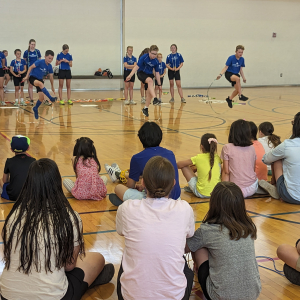
- Improve physical activity among youth by supporting physical activity resources and programs
Access to Healthy Food
- Adopt ordinances that allow backyard poultry/animal husbandry
- Improve access to emergency food by supporting local food pantries and programs
Mental Health
- Offer suicide prevention trainings for your community members
- Implement a strategy to promote safe use and disposal of medications
2026 Redesignation:
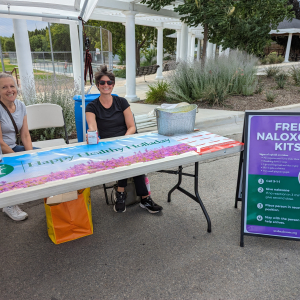
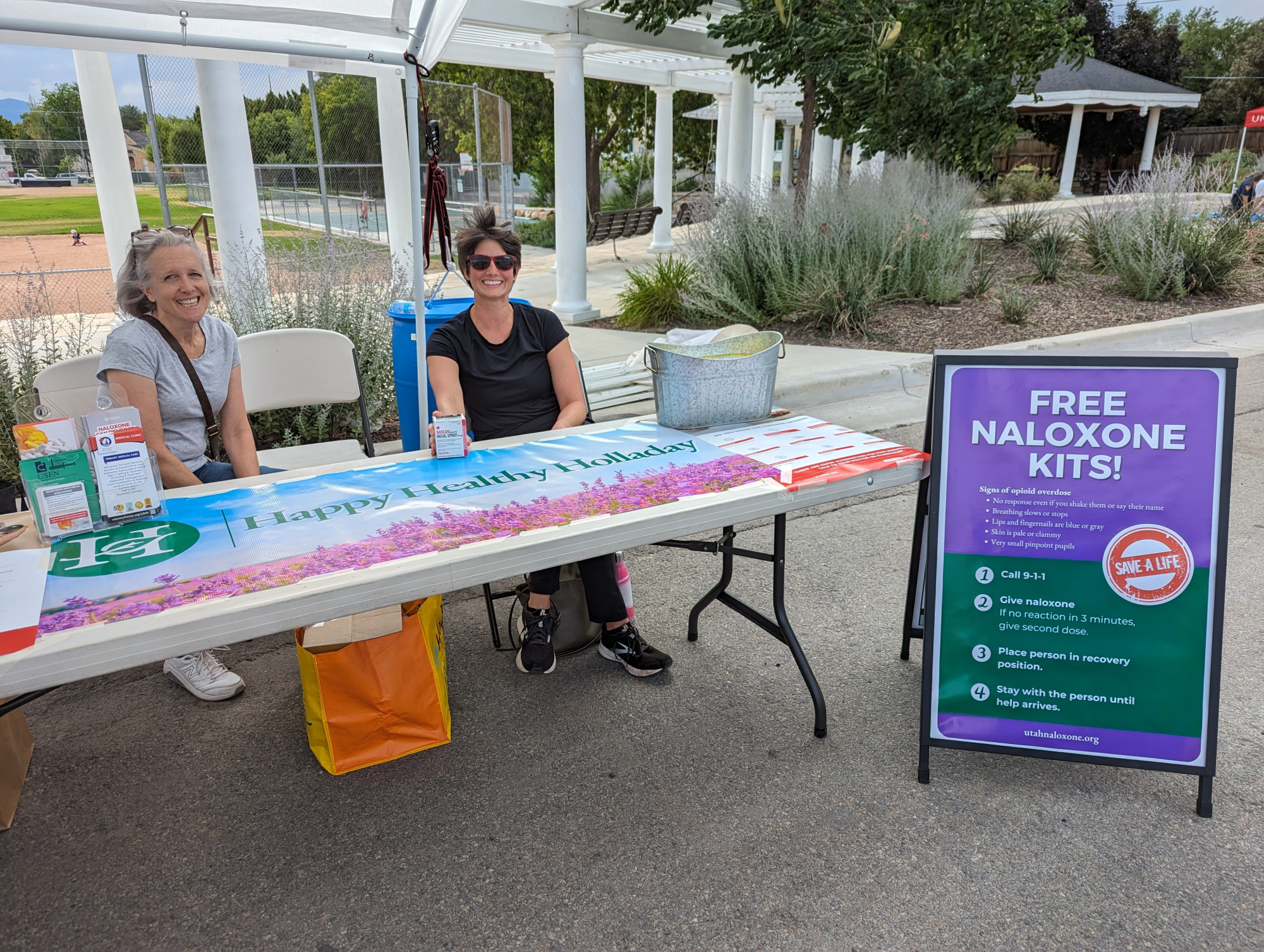
To be redesignated, Holladay continued to support the health and well-being of its residents through initiatives that promote physical activity, healthy food access, and mental wellbeing. The Happy Healthy Holladay (H3) coalition meets monthly to coordinate community health efforts. The city supports walking- and activity-friendly environments, promotes access to healthy food, and provides suicide prevention training and naloxone education.
HEALTH STRATEGIES
Active Living
- Provide supplemental infrastructure to improve walk- and activity-friendly environments
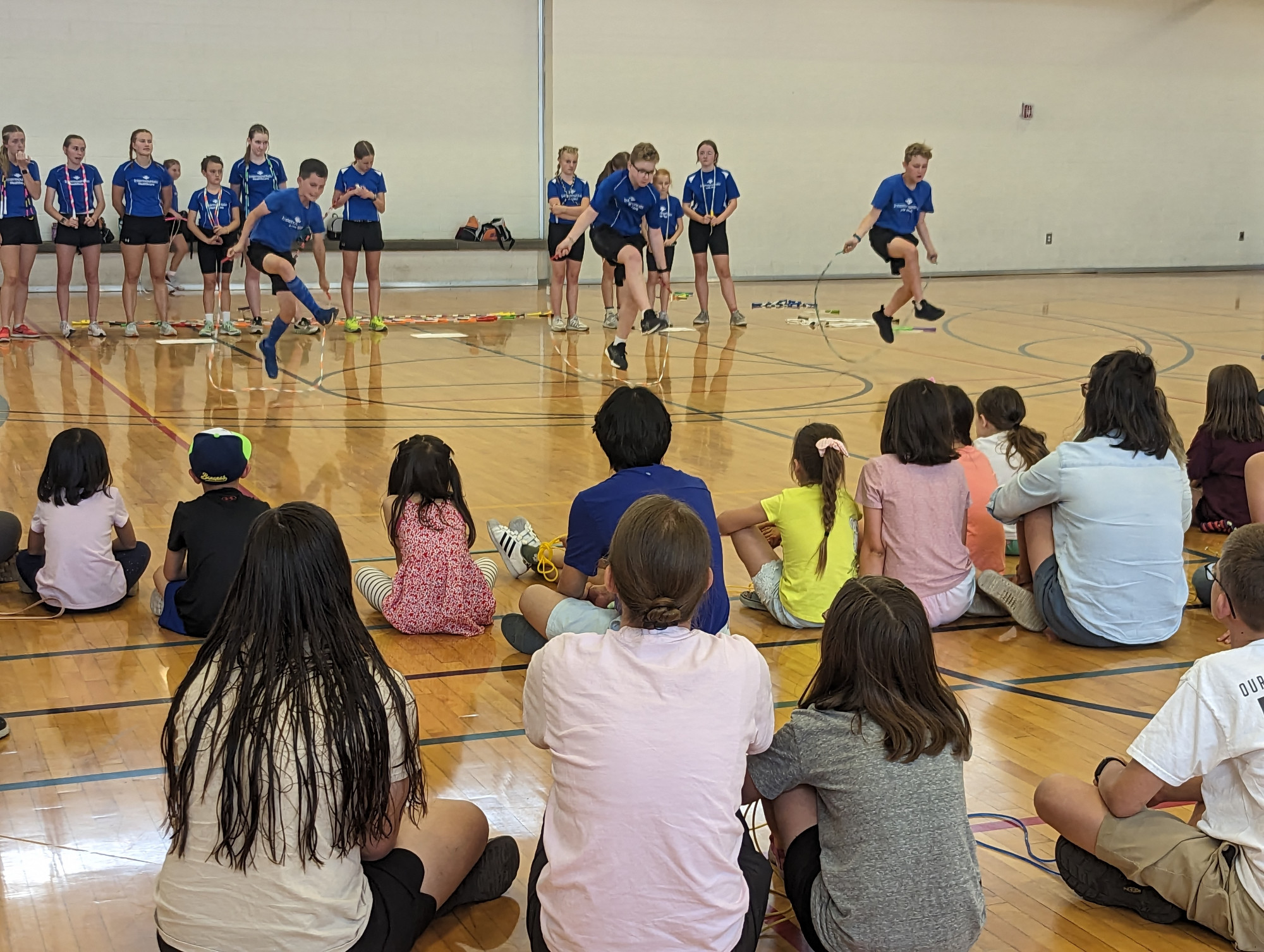
- Organize free or low-cost community fitness events
Access to Healthy Food
- Allow backyard animal husbandry and poultry through city ordinances
- Establish a food pantry or food assistance program, or improve an existing program
Mental Health
- Offer Question, Persuade, Refer (QPR) suicide prevention training
- Host naloxone training and distribution events
-