
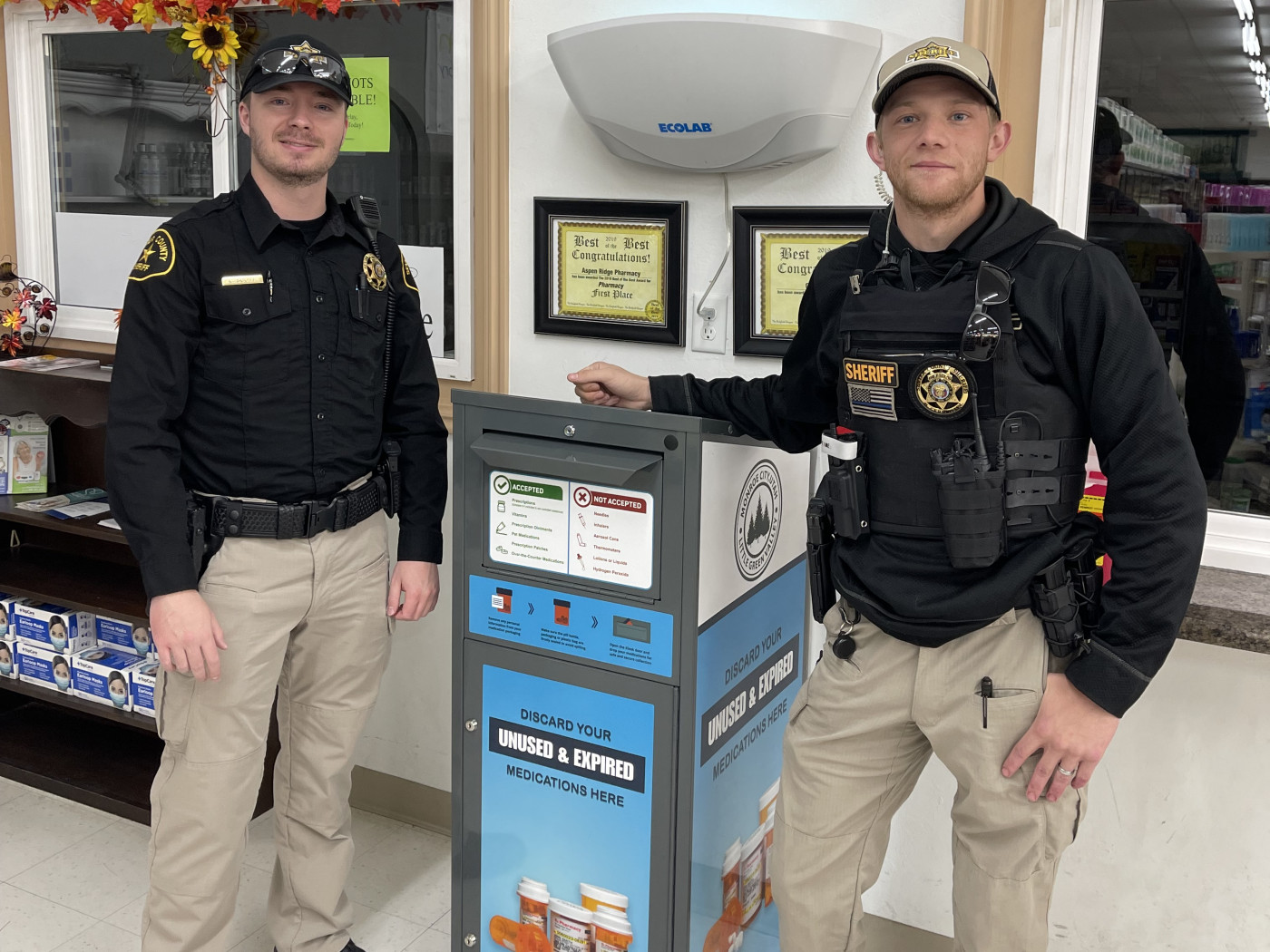
Thirty-five designated communities have implemented strategies to encourage safe use and disposal of medication as one of their Mental Wellness strategies.
Overview
A way to reduce substance misuse in your community is by providing drug take-back boxes. This allows community members to safely dispose of prescription medications that are not environmentally friendly (i.e. cannot be thrown away or flushed). Increase your community members’ and environment’s safety by implementing disposal services and participating campaigns like the DEA’s National Drug Take Back Day.
Why is it important?
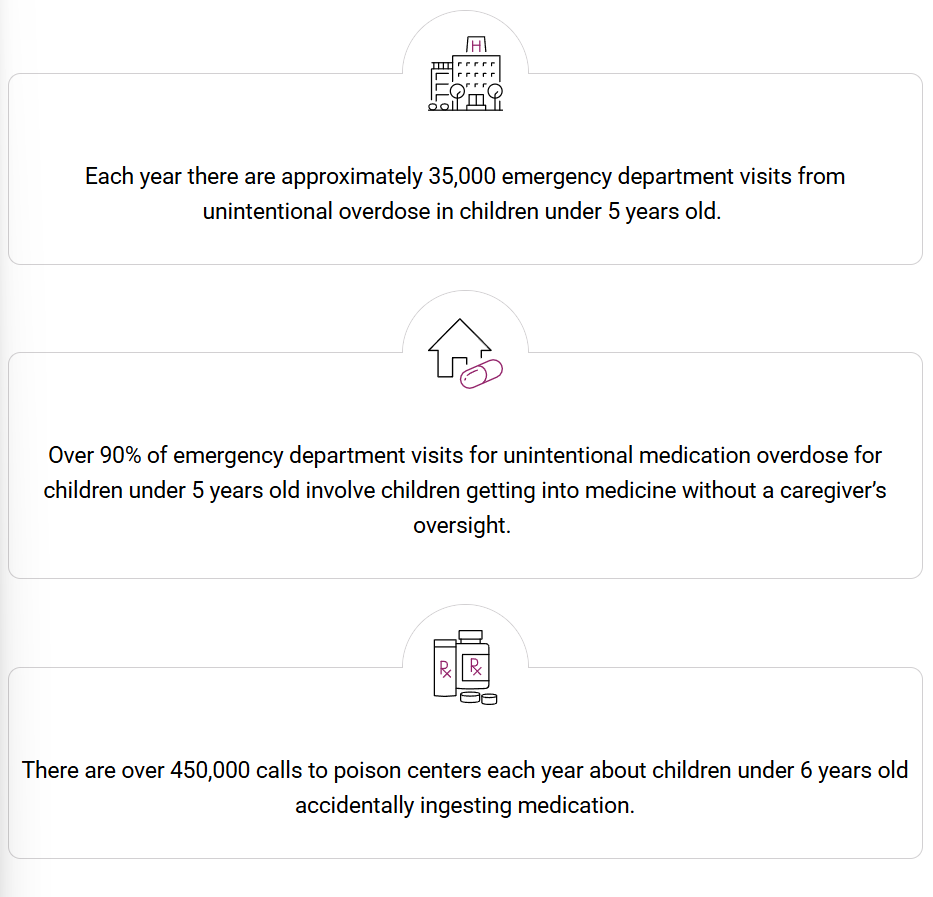
“Old prescriptions left unsecured in the home can often be an easy source for someone thinking about unsafely using prescription medications and can be dangerous for pets or children who may accidentally ingest them. They can also be confusing for elderly people who may have multiple prescriptions.” - NABP. Also from NABP come these scary statistics:
How do I do it?
Utah passed two codes (58-17b-623 and 67-5-36) that set up the regulations for disposal of unused prescription drugs and a drug disposal program respectively. 58-17b-623 is straightforward: it gives Utah pharmacies the right to accept unused prescription medication for disposal “in accordance with administrative rules adopted by the divisions.” These divisions follow federal law and regulations regarding drug disposal.
67-5-26, which sets up regulations for the drug take-back program. This code includes two important definitions:
“Environmentally friendly” drugs, where are:
- Non-retrievable as determined by the attorney general
- Non-hazardous, as determined by the department
- Permissible to dispose in a landfill in a manner that does not violate state or federal law relating to surface water or groundwater
“Home controlled substance disposal receptacle,” which is provided by the program for individual use to make a small amount of controlled substances non-retrievable and environmentally friendly at home. This includes drug disposal bags, discussed below.
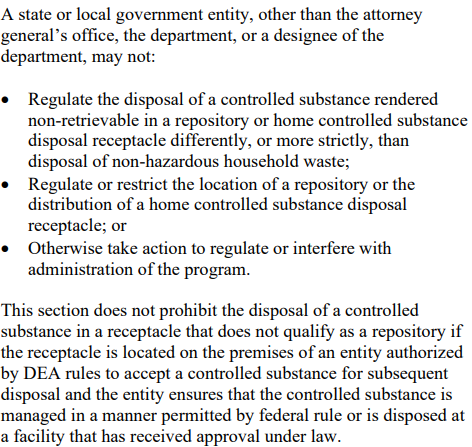
The state attorney general heads most of Utah’s drug take-back programming, but they can also “establish a process for residents of the county to obtain a home controlled substance disposal receptacle.” Here are some rules around that:
Options for Medication Disposal Receptacles:
Stericycle MedDrop Take Back Kiosks:
In addition to safeguarding your community and your environment, this company support data tracking and analytics. “Stericycle’s proprietary DEA tracking system records the weight of every kiosk box received.”
MedSafe boxes accept controlled (Schedules II-V), non-controlled, and over-the counter medicines and meets all the requirements of the DEA Controlled Substances Act. More about MedSafe can be found in their brochure below:
Where to find/place disposal boxes:
Walgreens and CVS are two businesses that often offer drug disposal locations. They have. There are also drug-takeback programs that can be found through the U.S. Drug Enforcement Administration’s locator tool, two National Prescription Drug Take Back Days, and drug disposal bags that your health department or pharmacies should have available, where residents can safely dispose of their pills in a powder that dissolves them, then the back can be safely placed in the trash.
CVS offers a “Home controlled substance disposal receptacle” called DisposeRx®: When combined with warm water and added to a pill bottle, DisposeRx® turns medications into a biodegradable gel, which can be safely discarded at home. DisposeRx® packets are available at select CVS Pharmacy locations for certain prescriptions.
Utah’s POC for law enforcement that wants to start a drug-takeback program is DI Darrick Snyder (571-387-4972). If this changes, you can find the updated information HERE.
Here are the places cities usually place drop-off locations, after they’ve been registered with the DEA:
- Pharmacies, including independent stores and chains
- Police departments
- Fire stations
- Hospitals
- Municipal buildings
Resources:
Where and How to Dispose of Unused Medicines | FDA
- Video and short paragraphs on the different drug disposal programs, including at-home and take-home options.
A dose of reality: How to dispose of unwanted medication
- DisposeRx information, as well as at-home options to education your community members.
Drug Take-Back and Disposal Programs: Summary of State Laws
- Table that tells the Statues(s) and regulations, effective dates, and program components of Utah’s drug take-back programs (pages, 260-262).
Prevention - Medication Disposal | Weber Human Services
- Example list from Ogden of where to place medication disposal drop boxes in your community.
Drug Disposal: Drug Take-Back Options
- Three main options for communities to implement drug take-back programs, including events, drop box locations, and prepaid mail-back envelopes.
- Collection site locator and information to get involved with Take Back Day, which occurs in April and October every year.
Curb the Crisis: Medication Disposal
- Quick rundown of 5 disposal methods for prescription medication
POC List for Prescription Drug Take Back Day
- Point of Contact to set up prescription drug take-back programs for law enforcement.
- Option for installing a medication disposal box.
Stericycle MedDrop Take Back Kiosks:
- Option for installing a medication disposal box.